Building an online store is faster than ever, but a store in Serbia doesn’t sell because it looks good. It sells when customers can pay easily, know when the parcel arrives, trust they can return it and see who they’re buying from. This is the checklist we go through with every client – local or foreign – before the first order comes in.
Note: we’re not lawyers. This covers the main obligations that affect the website; for your specific case, consult a local lawyer and accountant.
1. Platform: WooCommerce, Shopify or custom
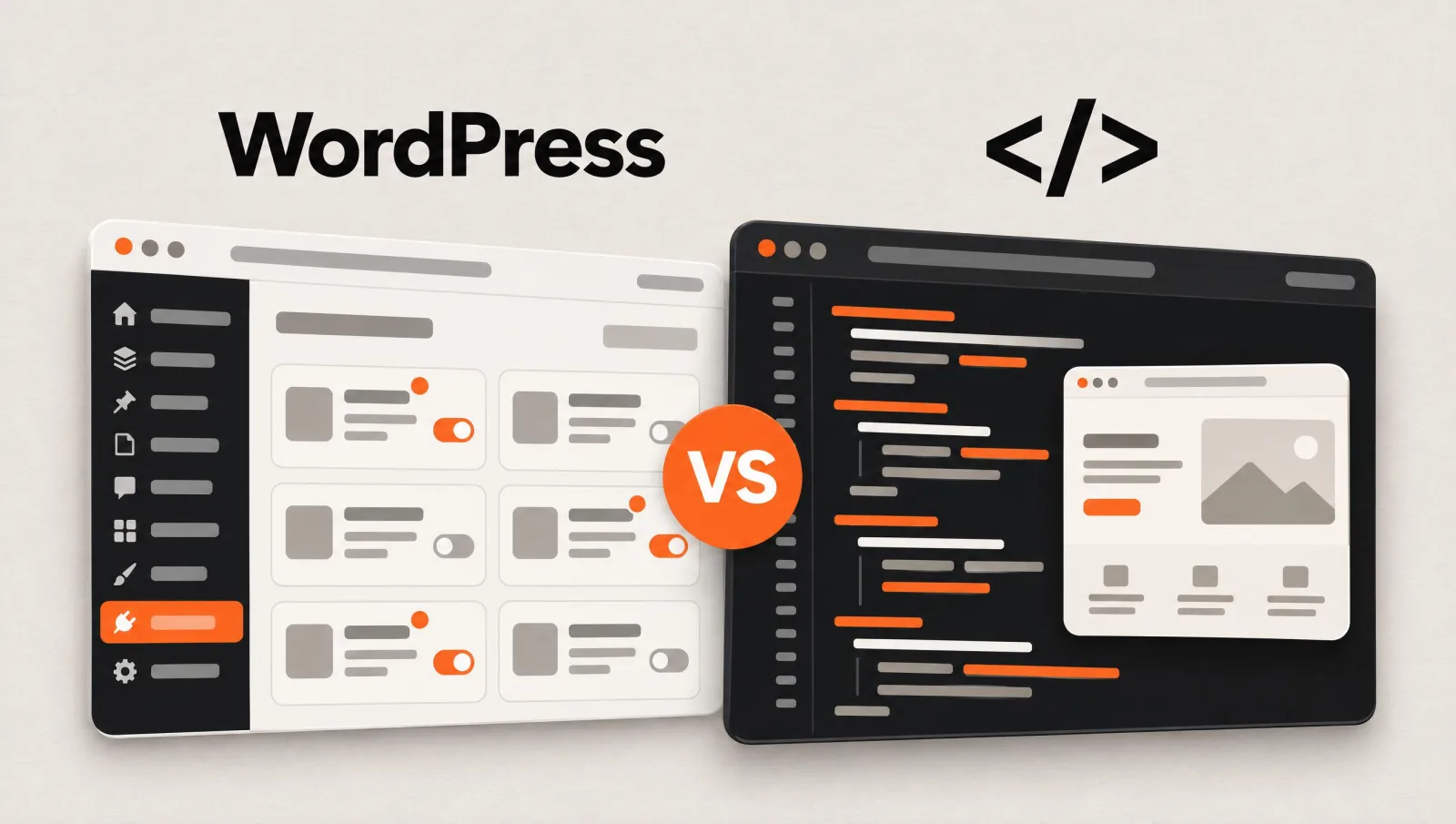
For most stores with a few hundred products, WooCommerce is a proven choice. Shopify is quick to start, but local integrations (Serbian banks, couriers, accounting) aren’t always straightforward. A custom store makes sense for large catalogs, B2B pricing, complex discounts or warehouse and ERP integration. For a detailed comparison, read WordPress vs a custom website.
2. Payments: cards, IPS and cash on delivery
- Payment cards through a bank or payment processor. You sign the merchant agreement; we connect the store and test the payment flow.
- IPS Scan – the National Bank of Serbia’s instant payment system. At checkout the customer chooses this option and scans an NBS IPS QR code with their banking app; on a phone it’s a single tap. No card details are entered on your site, and the money arrives instantly.
- Cash on delivery – still very important in Serbia, especially for first-time customers who don’t know you yet.
Before launch, check with your accountant how invoices and fiscal receipts are issued for online sales and how card, IPS and cash-on-delivery payments are booked.
3. Delivery
- Shipping cost and delivery time visible before the cart, on the product page.
- Courier integration: shipments created automatically and a tracking number emailed to the customer.
- Clear rules for free shipping, bulky items and in-store pickup.
4. Mandatory seller information
Serbia’s Law on Electronic Commerce requires your seller details to be easy to find: company name, registered address, contact details including email, the register the company is entered in and its registration number, plus the tax ID (PIB). The footer and an “About” or “Terms of sale” page are the usual places.
5. Customer rights: withdrawal and complaints
Under Serbia’s new Consumer Protection Law (Official Gazette 35/2026), customers who buy at a distance can withdraw from the purchase within 14 days without giving a reason, counted from the day the goods are delivered – similar to the EU rule. Your site therefore needs:
- a clear page with terms of sale, returns and complaints;
- a withdrawal form customers can download or fill in;
- information on who pays return shipping and how refunds are made;
- before the order is placed: the total price including VAT and shipping, with no surprises at the end.
6. Privacy and cookies
A store processes names, addresses, phone numbers and purchase history, so Serbia’s Law on Personal Data Protection applies (it closely follows the GDPR). You need a privacy policy describing what is collected and why, consent for marketing cookies before they load, and secure storage. If you also sell to EU customers, the GDPR applies too.
7. Reviews: real ones only
Customer reviews increase sales, but only when they’re credible. The new Consumer Protection Law extended unfair commercial practices to reviews, so fake or manipulated ratings aren’t just a bad idea – they can be an offence. The best approach is an automatic review request after delivery, and showing all reviews, not only the best ones.
8. Product pages that sell (and rank)
- Unique descriptions instead of the supplier’s copy – that’s what separates your page from a hundred others selling the same product.
- Quality photos in WebP format and fast loading on phones.
- Clear price, availability and delivery time.
- Product structured data (price, availability, ratings) so Google can show richer results.
Pre-launch checklist
- Test purchase with every payment method, including a refund
- Customer emails: confirmation, shipping, delivery
- Terms of sale, returns and complaints; withdrawal form
- Seller details in the footer
- Privacy policy and cookie settings
- Mobile speed and an accessible cart and checkout
- Google Search Console, analytics and purchase tracking
We build stores from catalog planning to the first order – see our e-commerce development service or contact us through the contact form.
FAQ
What do I need to open an online store in Serbia?
A registered company or sole proprietorship, a bank agreement for card payments (if you offer them), a courier contract, a website with the mandatory seller details and terms of sale, and an arrangement with an accountant for invoicing.
How long do customers in Serbia have to return an online purchase?
They can withdraw from a distance purchase within 14 days of delivery without giving a reason. There are legal exceptions, for example for made-to-order goods.
Should I offer IPS payments?
If you want faster, cheaper payments without card entry – yes. IPS complements cards and cash on delivery well, and on a phone it turns checkout into a single tap.